Keytruda — Kinetic Email Experience for HCPs
Reimagining how complex clinical information can be experienced through interaction within the constraints of email.
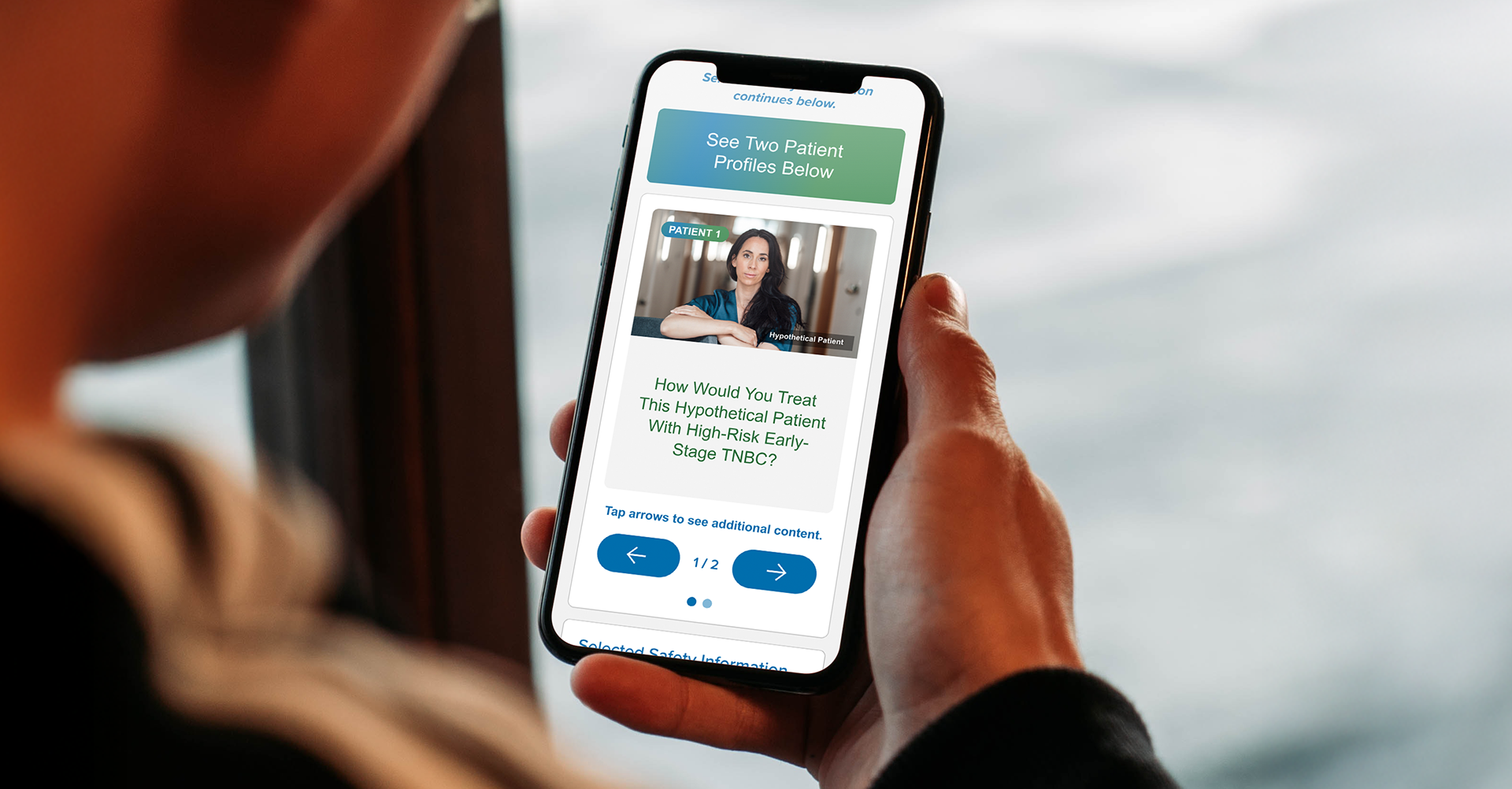
Patient Quizlet Email
Overview
This project focused on designing kinetic, or interactive, email experiences for healthcare professionals (HCPs) promoting Keytruda, an immunotherapy treatment. Unlike traditional pharmaceutical emails, which are often static and text-heavy, this initiative aimed to create a more engaging and informative experience directly within the email itself. The goal was to enable HCPs to access clinically relevant information quickly, without requiring them to navigate to external landing pages.
Role
User Interface
User Experience
User Experience
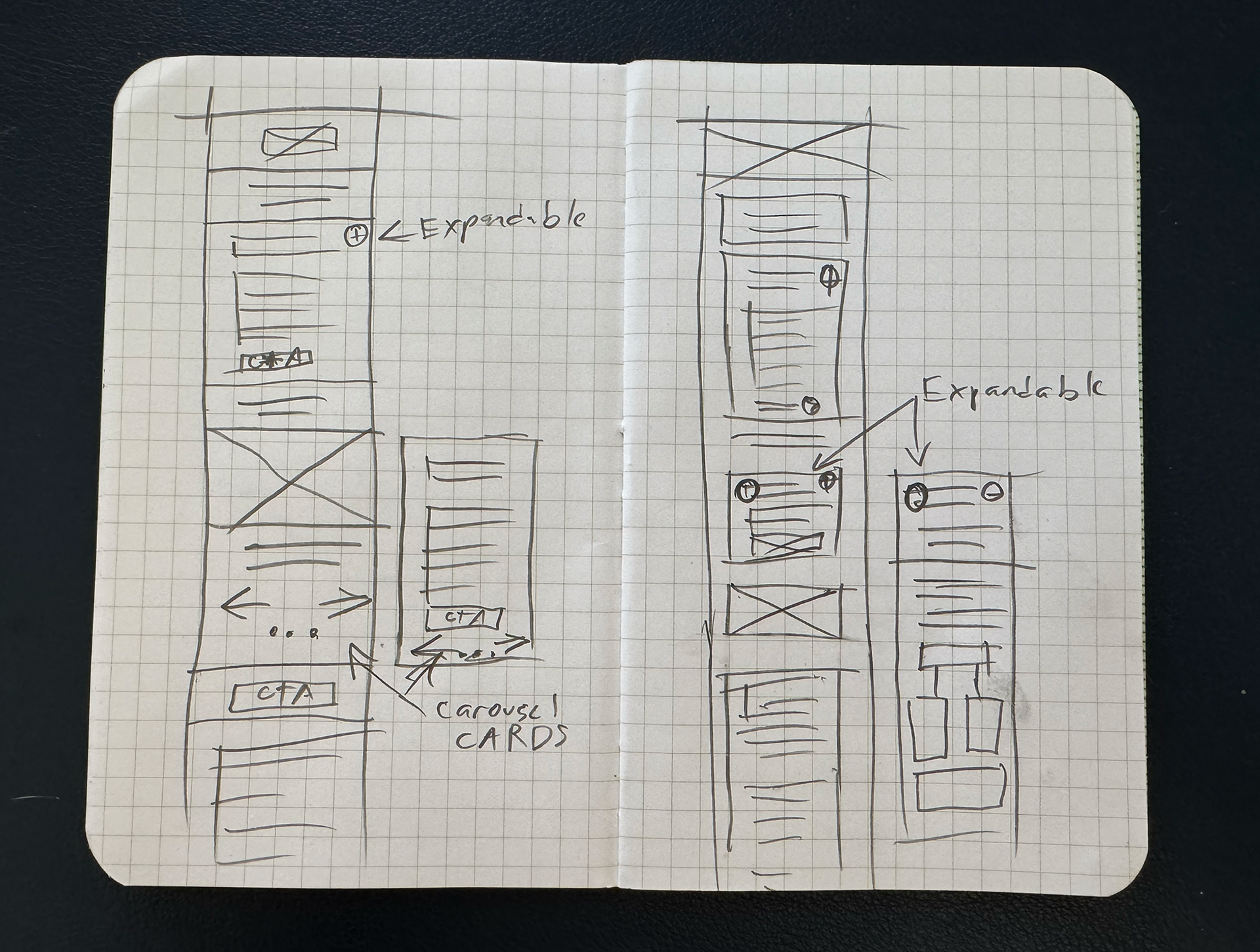
Lo Fi Wireframes
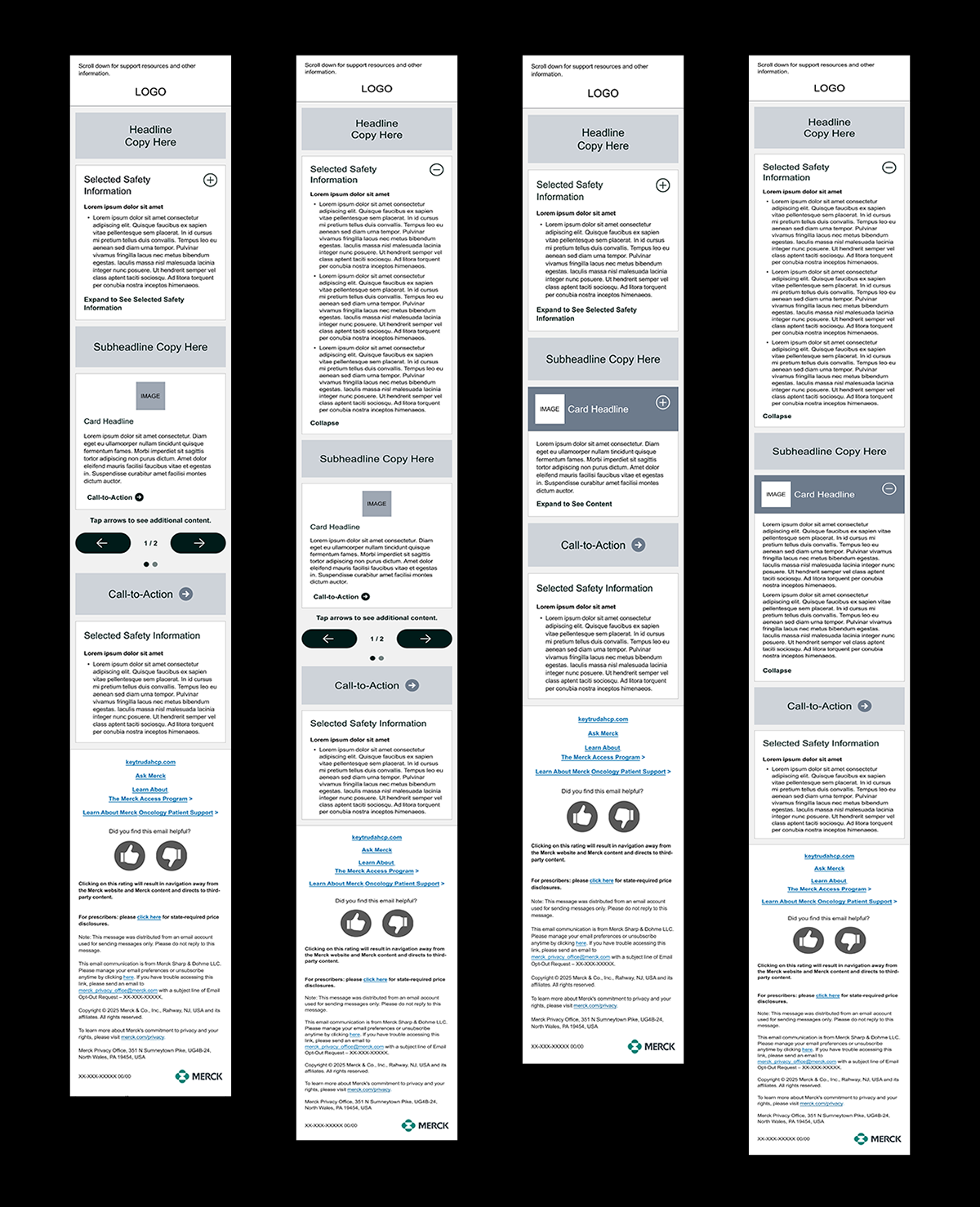
Refined Wireframes
Problem
Pharmaceutical email communications targeted at healthcare professionals present a unique set of challenges. These emails are typically dense with clinical information, yet must compete for attention among time-constrained professionals who are often reviewing content quickly between responsibilities. As a result, traditional static emails tend to be skimmed rather than fully read, leading to low engagement and limited comprehension of key messaging. Additionally, users are frequently required to click through to external sites to access deeper information, which introduces friction and drop-off.
Objective
The objective was to design a scalable and modular communication system that improved the accessibility and usability of complex healthcare information while increasing engagement across digital channels. The experience needed to support evolving campaign content, maintain compliance within pharmaceutical guidelines, and create a more intuitive framework for healthcare professionals interacting with educational, efficacy, and dosing-related materials. The overall goal was to balance visual clarity, usability, and scalability within a highly structured healthcare communication environment.
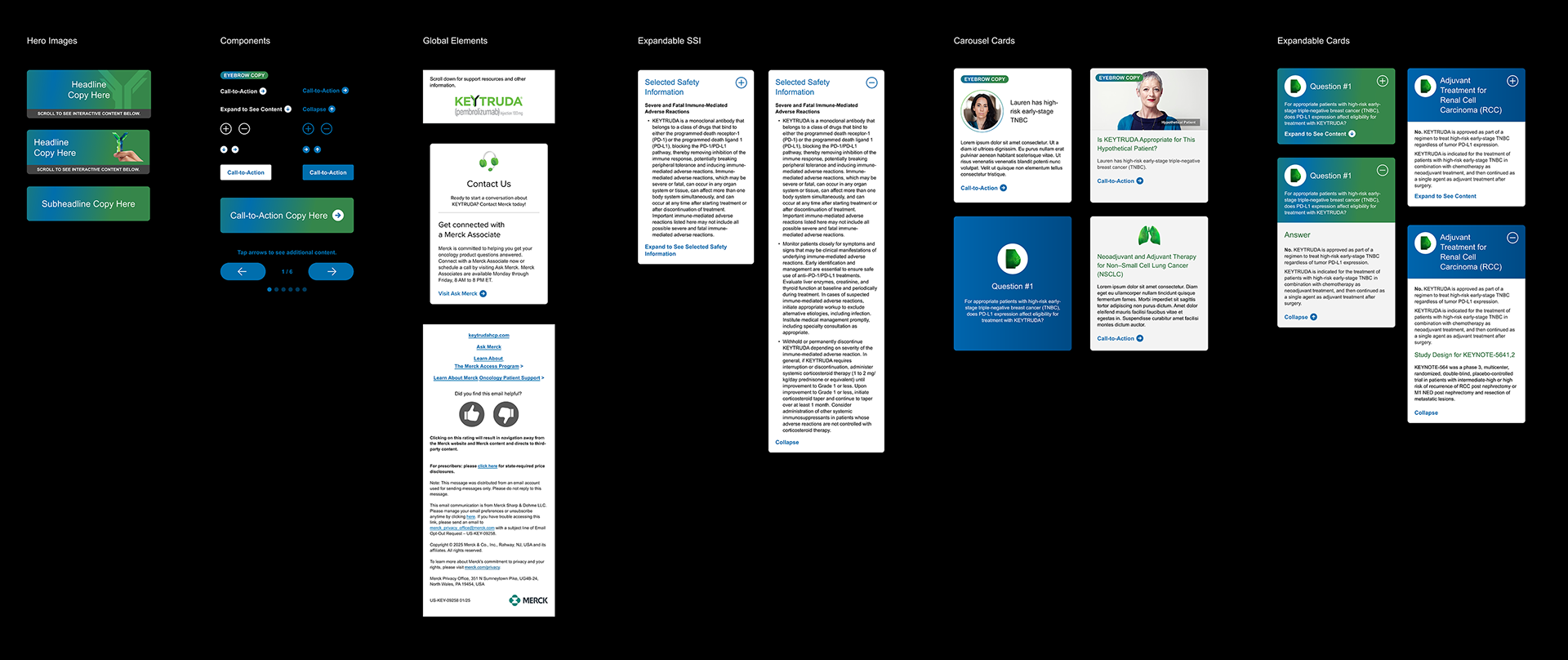
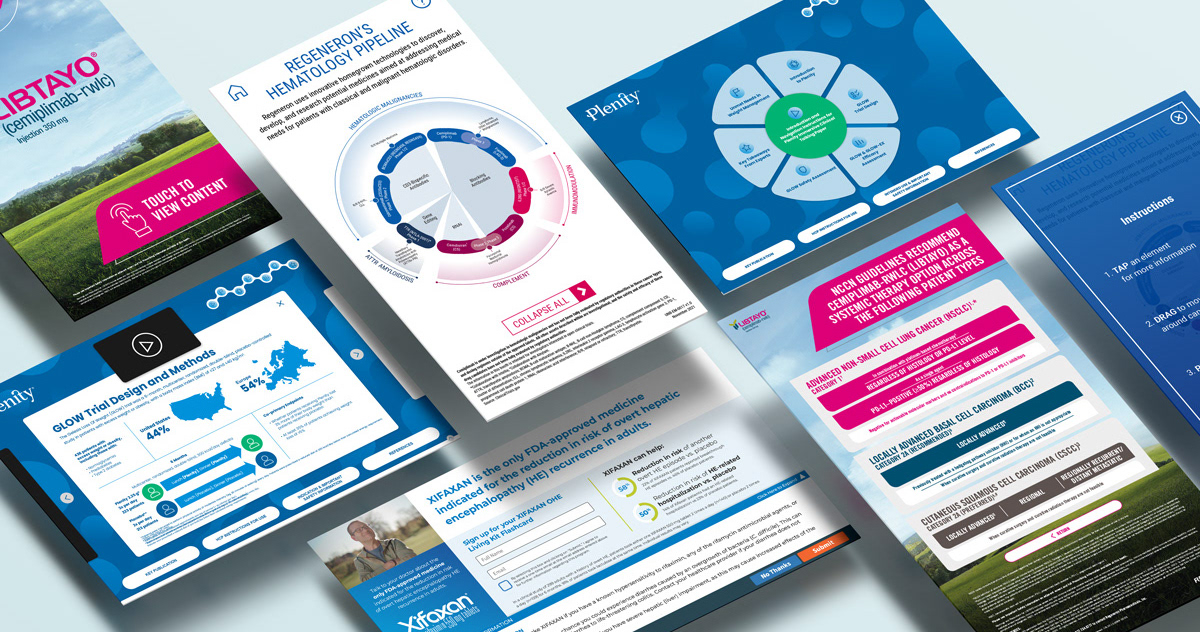
Master Component Library
Constraints
The project required balancing user experience considerations with the strict requirements of pharmaceutical communication systems. Dense clinical information, evolving messaging priorities, rapid deployment timelines, and highly regulated brand guidelines created additional complexity throughout the design process. The system also needed to maintain consistency across multiple channels and formats while supporting ongoing optimization and expansion as campaign needs evolved.
Approach
The project was approached as a UX/UI-focused communication system rather than a collection of standalone marketing assets. Design decisions centered around improving scanability, simplifying information architecture, and creating modular layouts that could scale efficiently across omnichannel healthcare experiences. Strong typography hierarchy, structured spacing systems, reusable visual components, and accessibility-focused communication principles were used to reduce friction and improve usability when navigating dense medical content.
A flexible component-based design system allowed layouts and content structures to adapt efficiently across presentations, digital engagement assets, educational materials, and campaign communications while maintaining consistency throughout the ecosystem. The approach emphasized clarity, scalability, and engagement-focused interaction design to create more intuitive experiences for healthcare professional audiences.
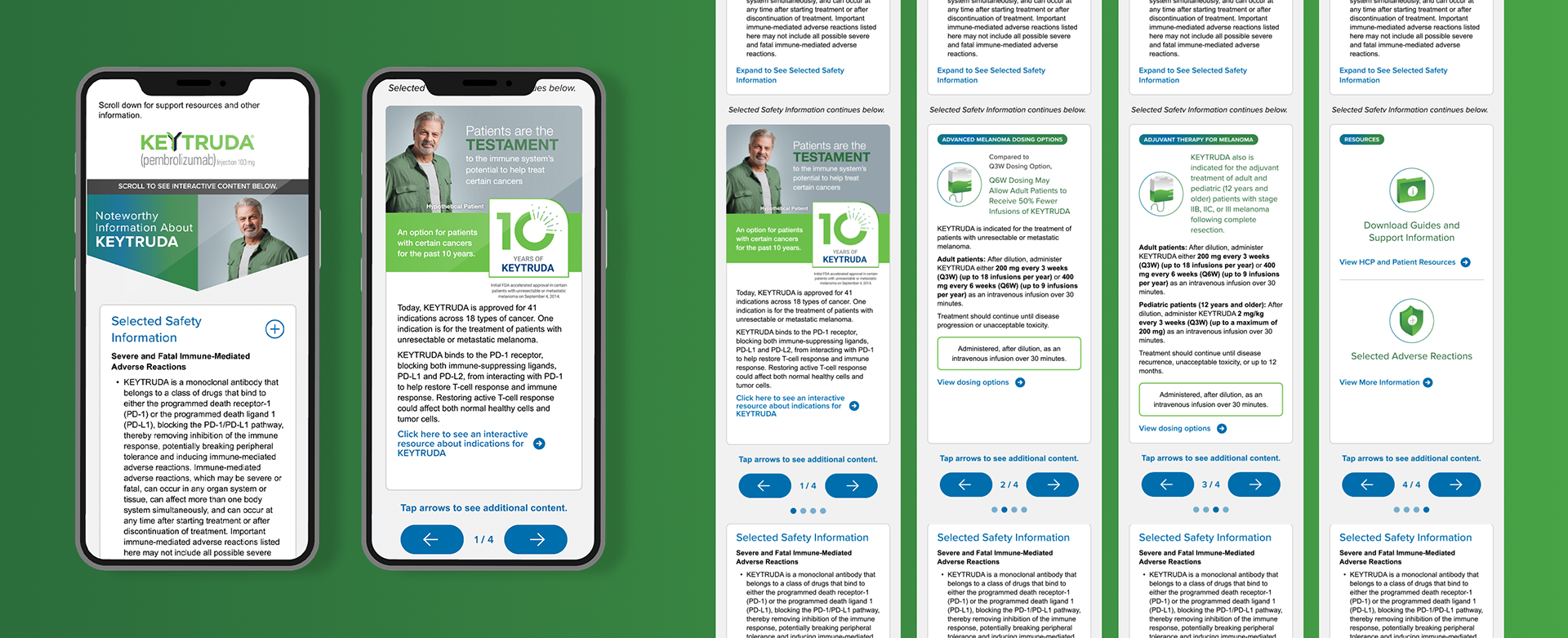
Carousel Content Email
Key Decisions
Several UX/UI-focused design decisions helped improve engagement and scalability throughout the campaign ecosystem. Modular layout systems were implemented to support rapid content deployment and evolving communication needs while maintaining consistency across channels. Information hierarchy and typography systems were carefully structured to improve readability and scanability of complex medical information. Reusable UI components and engagement-focused layouts helped create a more intuitive experience while supporting scalable production workflows across the broader campaign ecosystem.
Outcome
The final result was a scalable healthcare communication ecosystem that improved usability, engagement, and content accessibility across complex omnichannel experiences. By combining UX/UI principles, modular visual systems, and data-informed iteration, the project successfully supported high levels of audience reach and sustained engagement while simplifying the navigation of complex medical content for healthcare professionals.
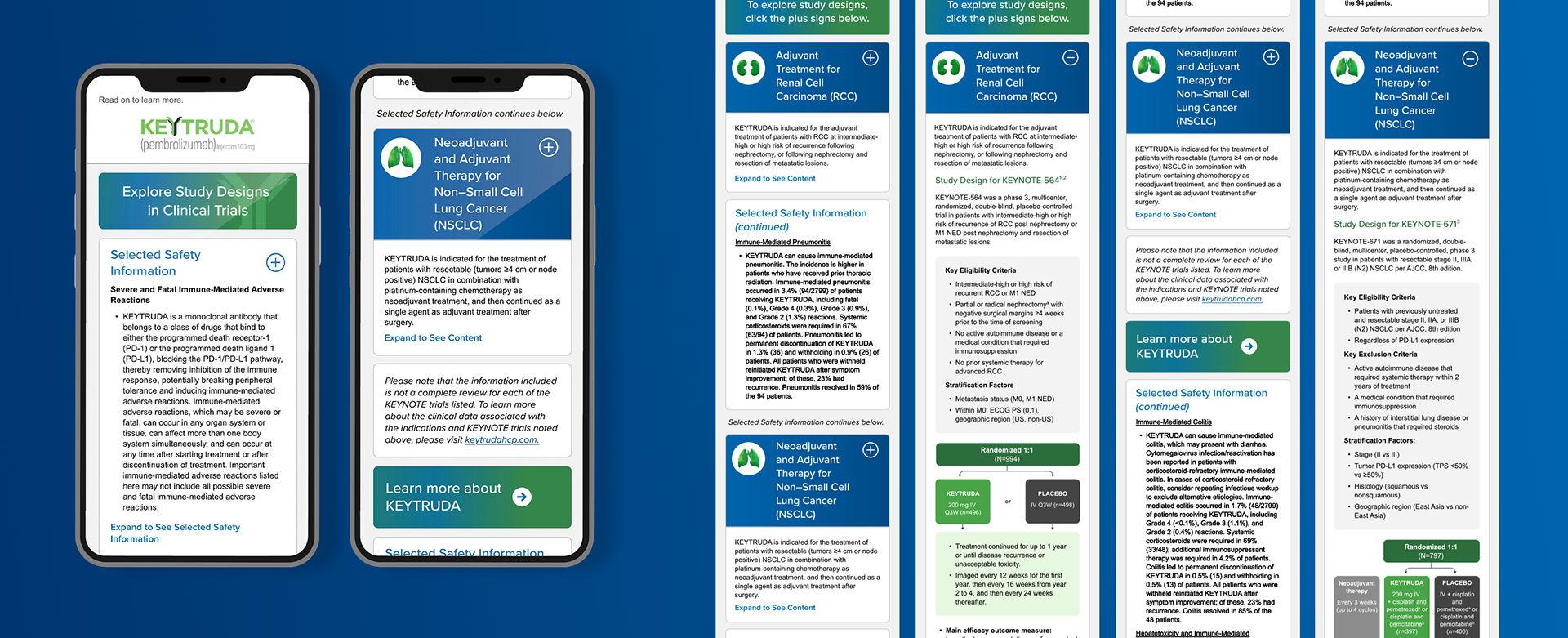
Expandable Content Email
Key Performance Results
97% of targeted healthcare professionals reached
47% engagement rate across HCP audiences
Increasing engagement frequency over successive campaign reviews
Higher multi-card interaction rates indicating deeper content engagement
Strong click-through rates across educational, efficacy, and dosing-focused content experiences
Improved interaction depth through data-informed content optimization
Demonstration
This project highlights the ability to design effective interaction patterns within highly constrained environments, balancing technical limitations, regulatory requirements, and user needs. It demonstrates a strong understanding of content hierarchy, information design, and user behavior, as well as the ability to create meaningful engagement for a specialized professional audience. Most importantly, it reflects an approach to design that prioritizes clarity, usability, and strategic problem-solving over purely visual execution.